Thelade Consult
Education
Web & UI/UX
Design & Branding
Creative Process & Workflow
[Introduction]
Designing a trust-driven marketplace for finding and managing tutors in Africa
Finding a reliable tutor in many African markets is fragmented, informal, and difficult to trust.
I designed Thelade Consult to turn that experience into a structured, transparent platform where learners can confidently discover, compare, and engage verified tutors.


[Description]
Problem
Most tutor discovery today happens through referrals, WhatsApp groups, or unverified listings.
This creates real friction:
No clear way to verify tutor credibility
Difficult to compare tutors across subjects, pricing, and experience
No structured way to track learning progress
Payments are informal and often unclear
For tutors, the problem is symmetric:
No professional presence
No system for managing students or schedules
Inconsistent and unreliable income
The result is a high-friction, low-trust ecosystem on both sides.
Context
Thelade Consult is a two-sided education marketplace connecting:
Learners and parents looking for academic support
Tutors offering subjects, exam prep, and professional training
The platform supports both online and in-person learning, with integrated booking and payments.
Strategy
The core design challenge was not just usability, but trust.
I approached this with three key decisions:
1. Make credibility visible, not hidden
Instead of treating verification as a backend process, tutor profiles were designed to surface:
Qualifications and experience
Ratings and reviews
Subjects and specialization
The goal was to reduce decision anxiety at the point of selection.
2. Structure the decision-making process
Users were not just browsing, they were making high-stakes choices.
I simplified this by:
Creating clear filtering and comparison paths
Standardizing how tutor information is presented
Reducing cognitive load through consistent layout patterns
3. Separate flows by intent and role
Learners, parents, and tutors have different goals.
Instead of forcing a unified flow, I segmented:
Discovery and booking flows for learners
Onboarding and management flows for tutors
This reduced friction and made each experience feel purpose-built.
Solution
The platform was designed as a full marketplace experience:
Discovery & Trust Layer
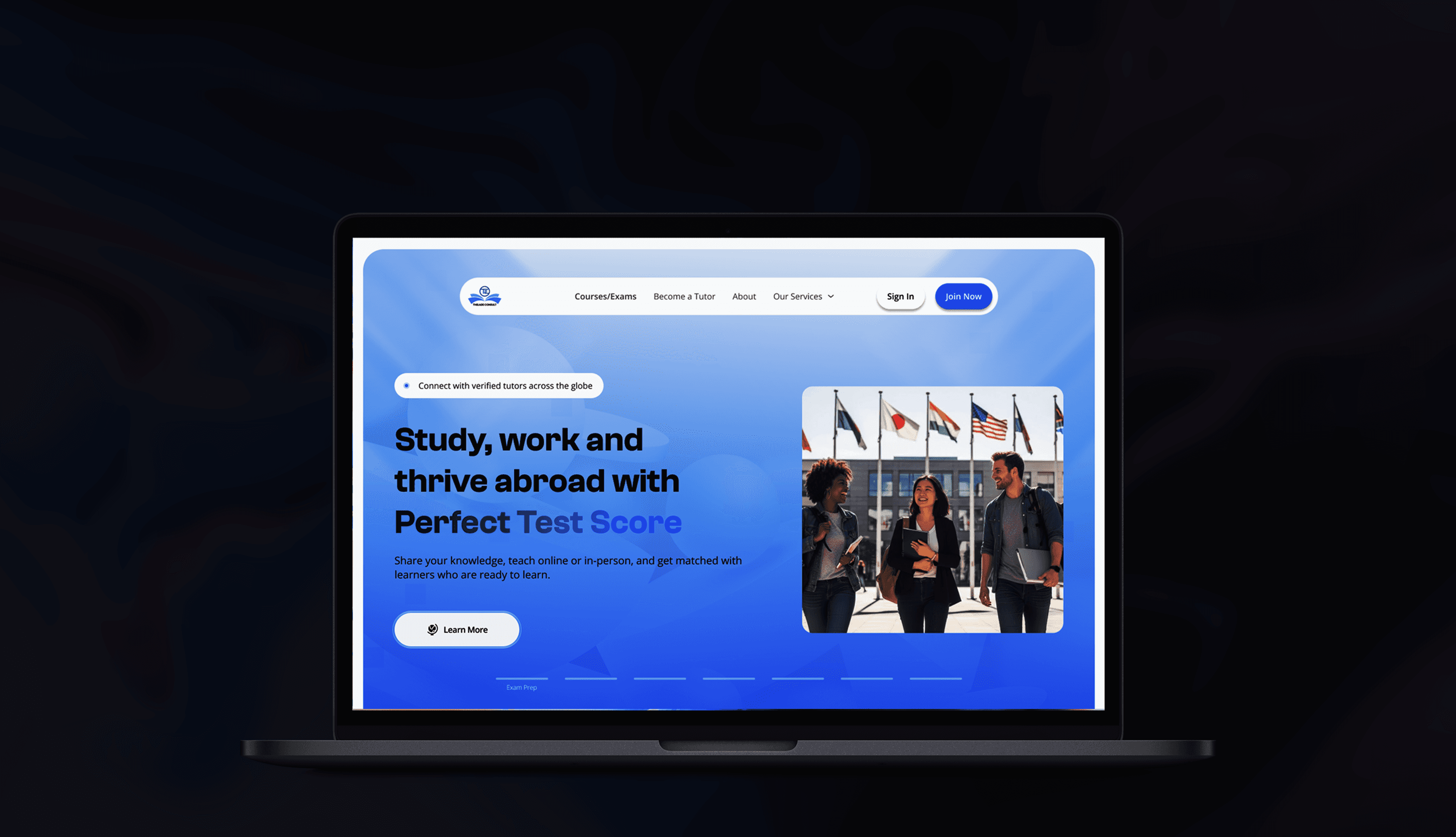
Landing page structured around value, proof, and clear entry points
Tutor listing and profile system with standardized, comparable information
Testimonials and platform stats to reinforce credibility
Onboarding & Conversion
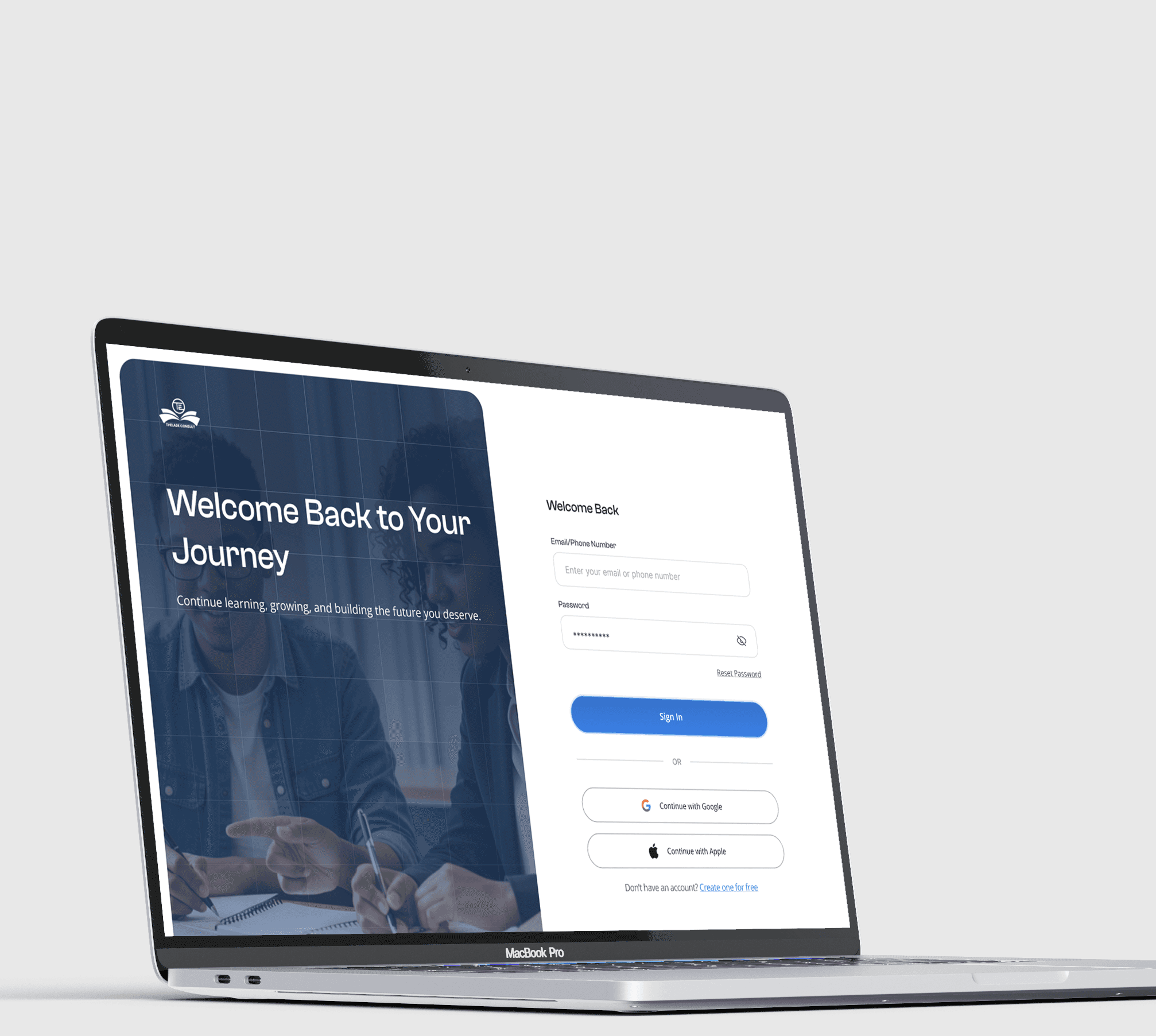
Guided sign-up flows for both learners and tutors
Structured tutor onboarding capturing qualifications, subjects, and availability
Clear CTAs and progressive disclosure to reduce drop-off
Core Product Experience
Learner side:
Book lessons
Track upcoming sessions
Monitor learning progress
Manage tutors and payments
Tutor side:
Manage students and schedules
Track earnings and payouts
Build reputation through ratings and reviews
Payments
Clear pricing visibility before booking
Structured payment flow to remove ambiguity and build confidence
t
Before vs After
Before:
Informal tutor discovery
Low trust and no verification
Manual coordination and unclear payments
After:
Structured tutor marketplace
Transparent profiles and credibility signals
Streamlined booking, tracking, and payments
The experience shifts from guesswork to informed decision-making.
Outcome
The platform is live and supports learners, parents, and tutors across multiple subjects.
Key improvements:
Reduced friction in tutor discovery
Increased trust through transparent profiles and structured information
Created a scalable system for managing learning and payments
What This Project Demonstrates
Designing for trust in two-sided marketplaces
Structuring complex, multi-role user experiences
Translating unstructured real-world processes into scalable digital systems
Balancing conversion, clarity, and usability in a production product