Plywood Inc.
Web & UI/UX
Design & Branding
[Introduction]
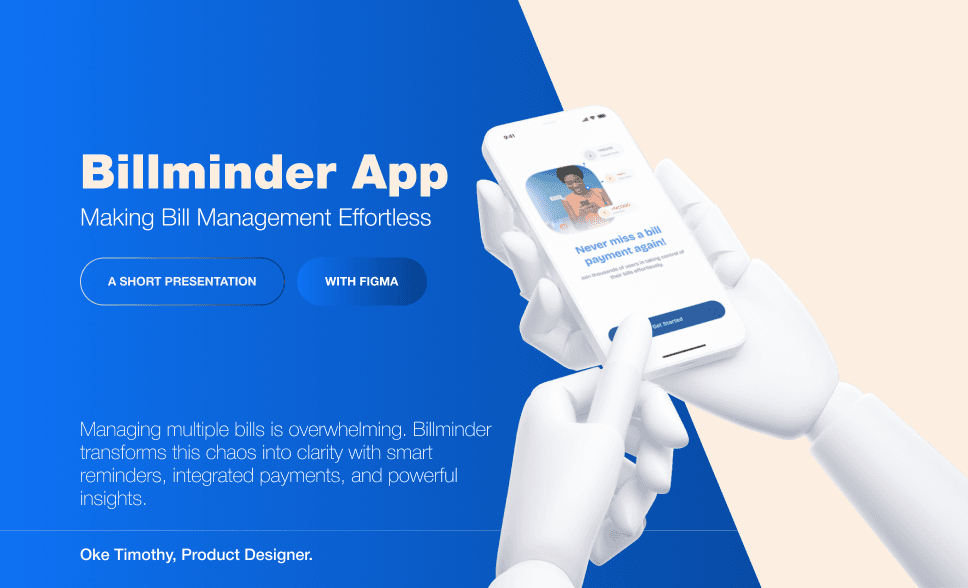
Designing a calm, reliable system for managing recurring bills and payments
Managing recurring bills is a small but constant source of stress. Deadlines are easy to miss, and information is often scattered.
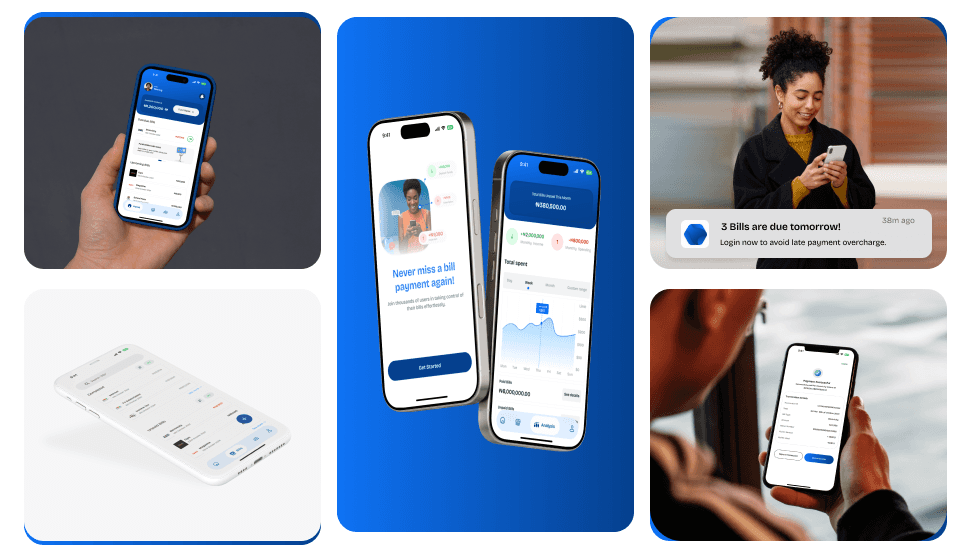
I designed Billminder to give users a clear, structured view of what to pay, when to pay it, and what’s already handled.
[Description]
The Problem
Bill management today is fragmented across apps, messages, and memory.
This creates consistent friction:
Missed or forgotten due dates
No single view of monthly obligations
Scattered receipts and payment records
Limited understanding of spending patterns
The result is not just disorganization, but low-level, recurring anxiety.Goal
The goals of Billminder were to:
Centralize all bills in one place
Provide timely, reliable reminders
Visualize spending and payment trends
Store payment records and receipts
Create a calm, reassuring financial experience
Context
Billminder is a personal utility app focused on:
Tracking recurring bills
Sending reminders
Storing payment records
Providing lightweight financial insights
Unlike full banking apps, the goal was not complexity, but clarity and reliability.
Strategy
The core challenge was not adding features, but reducing mental load.
I focused on three decisions:
1. Make status instantly scannable
Users shouldn’t need to think to understand their situation.
I designed clear states:
Paid
Due
Overdue
These are visually distinct and consistently applied across the app, allowing users to assess their position at a glance.
2. Prioritize time over categories
Most finance tools focus on categorization.
For bills, timing matters more.
The interface was structured around:
Upcoming deadlines
Urgency levels
Chronological flow
This aligns the product with how users actually think about bills.
3. Design for reassurance, not pressure
Financial products often feel stressful.
To counter this:
Visual noise was reduced
Interactions were predictable
Notifications were structured to be noticeable but not overwhelming
The goal was to create a sense of control, not urgency overload.
t
Solution
Onboarding
Simple setup for adding bills
Early configuration of reminder preferences
Clear explanation of value without friction
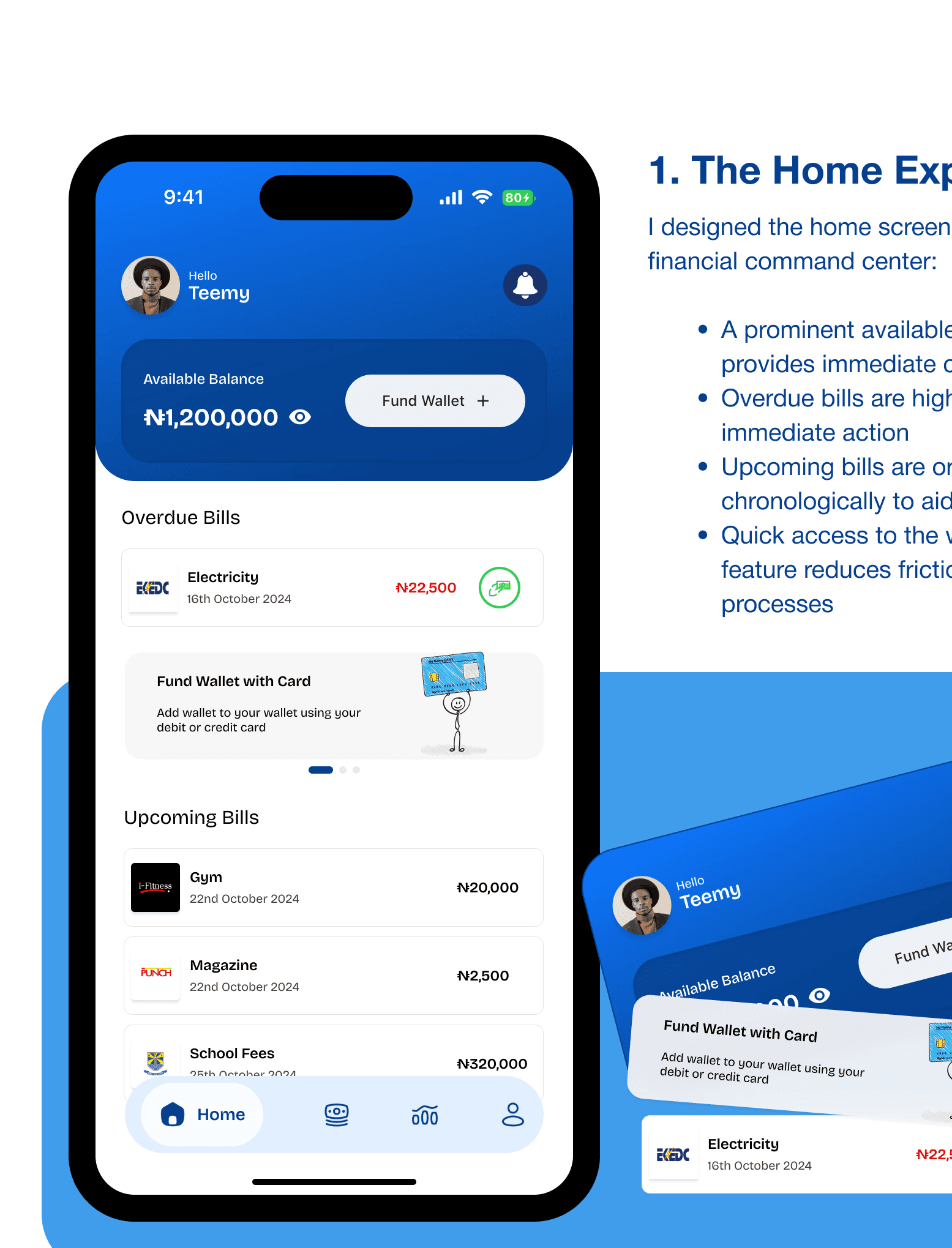
Home (Control Center)
Snapshot of upcoming and overdue bills
Clear prioritization based on urgency
Quick actions for adding or updating bills
Reminders System
Automated notifications tied to due dates
Customizable schedules
Clear distinction between upcoming and urgent alerts
Analytics
Monthly overview of obligations
Paid vs pending breakdown
Simple trends to support planning
Payments & Records
Log completed payments
Store receipts in a structured way
Easy access to payment history
Outcome
Billminder provides a focused system for managing recurring financial tasks.
Users can quickly understand their financial obligations
Missed payments are reduced through structured reminders
The experience introduces consistency into a previously fragmented process
What This Demonstrates
Designing for clarity in high-frequency use cases
Reducing cognitive load through structure and hierarchy
Notification and reminder system design
Translating data into simple, actionable insights
Building calm, utility-focused product experiences